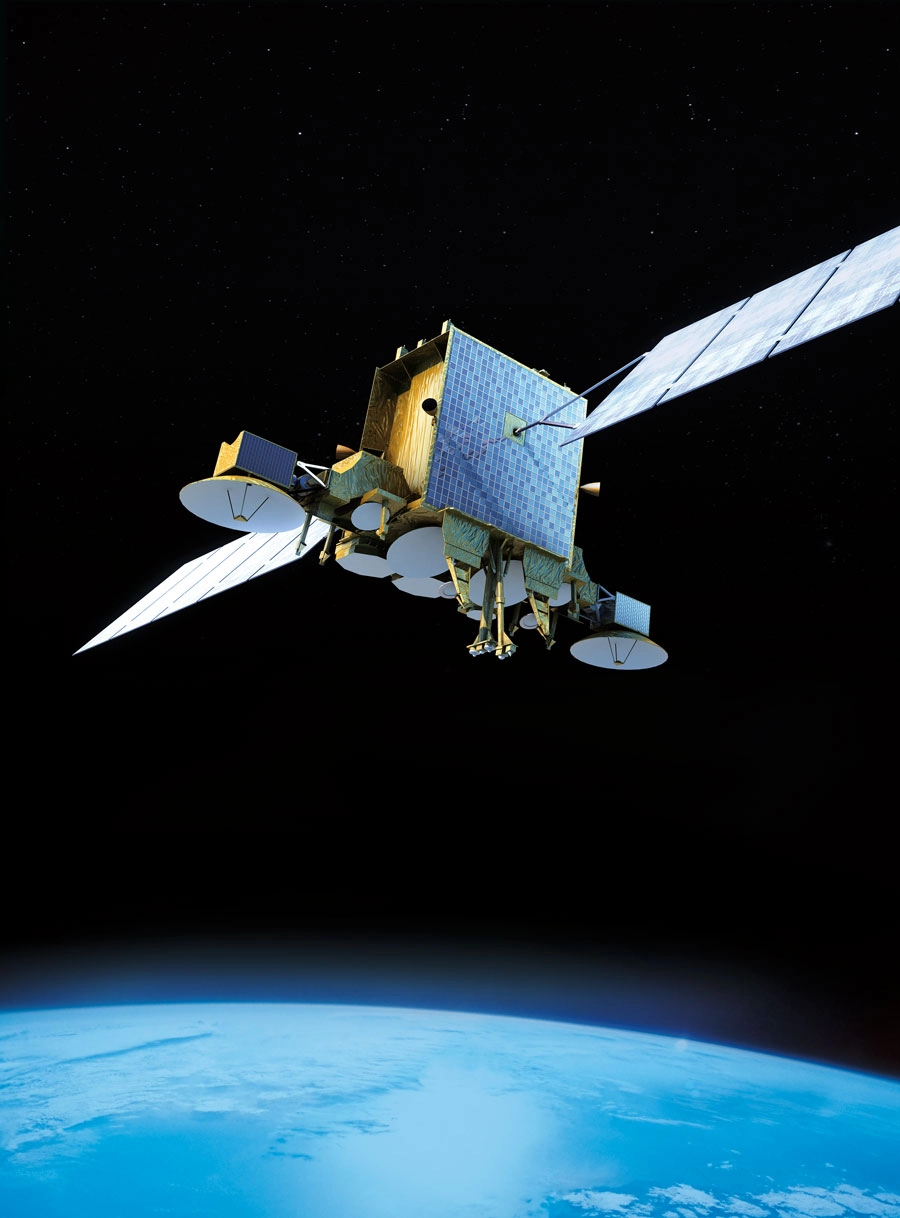
In the quiet expanse of space, satellites orbit the Earth with remarkable precision, delivering signals that must travel thousands of kilometers before reaching your receiver. Sat Insight opens a window into this extraordinary process, helping readers appreciate the science behind everyday viewing experiences.
Each satellite carries unique characteristics—beam patterns, transmission standards, and frequency configurations that determine who receives which channels. Sat Insight breaks down these complexities, offering insights that guide users through the technical landscape with confidence and ease.
As broadcasting networks continue to expand, new channels emerge while others shift frequencies or adopt upgraded technology. Sat Insight stays ahead of these changes, ensuring users have access to accurate and timely information that keeps their systems fully optimized.
High-definition and ultra-high-definition broadcasting have dramatically elevated the visual experience. Sat Insight explores the impact of these upgrades, explaining how resolution improvements affect bandwidth usage, picture quality, and receiver compatibility.
Technology in the satellite sector evolves rapidly, introducing advanced modulation techniques like DVB-S2X, HEVC compression, and multi-stream transmission. Sat Insight sheds light on these innovations, helping users understand how they enhance efficiency and quality.
Beyond technical upgrades, the satellite world is shaped by regional broadcasting rights and global content distribution strategies. Sat Insight follows these shifts, offering readers a broader perspective on how channels compete and collaborate within the global media environment.
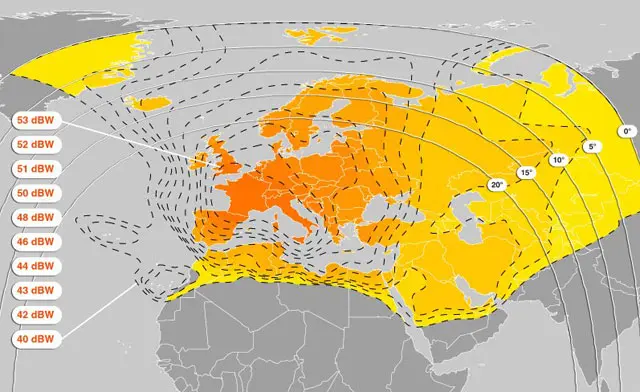
Satellite footprints determine which regions can access specific channels, and understanding these beams is essential for achieving stable reception. Sat Insight provides detailed explanations of coverage zones, signal strengths, and dish requirements for different regions.
Dish alignment remains one of the most essential factors for signal clarity. Whether adjusting elevation or fine-tuning azimuth, Sat Insight offers step-by-step guidance to help users achieve optimum positioning for maximum reception.
Weather conditions pose challenges to even the most advanced setups. Heavy rain, dense clouds, and atmospheric disturbances can weaken signals. Sat Insight examines these effects and provides practical tips to minimize disruptions.
Receiver compatibility is another key element in successful satellite navigation. Sat Insight discusses the differences between modern receivers, software features, and technologies that enhance decoding speed and signal processing.
Channel scanning and transponder updates can be confusing for many users. Sat Insight simplifies this process, explaining how automatic and manual search modes work, and when to use each method for best results.
Encryption and scrambling systems are crucial components of broadcasting security. Sat Insight explores these systems, offering insights into how they protect channels and how viewers can understand the distinction between free-to-air and encrypted services.
Multi-satellite setups allow users to access a rich variety of channels spanning different regions. Sat Insight guides readers through selecting the right LNBs, switches, and configurations to build versatile and stable multi-satellite systems.
C-Band and Ku-Band continue to dominate global broadcasting. Sat Insight compares these bands in detail, highlighting their advantages, limitations, and best-use scenarios to help viewers choose what suits their region and needs.
As global demand for high-quality and reliable broadcasting increases, satellite operators launch new satellites more frequently. Sat Insight tracks these launches, offering previews of their capabilities, coverage zones, and expected impact on the market.
Sports broadcasting remains one of the strongest drivers of satellite viewership worldwide. Sat Insight covers how major events influence frequency updates, bandwidth allocation, and temporary feeds used during live international matches.
Education and emergency services rely heavily on satellite communication, especially in remote areas. Sat Insight reveals how satellites support global connectivity beyond entertainment, providing essential services during crises and natural disasters.
The future of satellite broadcasting is rapidly unfolding, with hybrid systems that blend satellite with streaming platforms. Sat Insight explores these emerging models, predicting how they will reshape the industry over the coming decade.
At its core, Sat Insight is a knowledge-driven platform dedicated to empowering users with accurate information, clear guidance, and a deeper understanding of the satellite world. By exploring every layer of this industry, we help readers navigate an ever-evolving field with confidence, curiosity, and informed perspective.
Hotbird is one of the most widely used communication satellites for broadcasting television and radio channels across Europe, the Middle East, and parts of North Africa.
Since its launch in 1995, the Hotbird satellite fleet has played a significant role in providing a wide variety of content, including free-to-air, subscription-based channels, and internet services.
With its strategic orbital position and advanced technology, Hotbird has established itself as a leader in the satellite broadcasting industry.
🚀 On the subject of Hotbird
Hotbird is operated by Eutelsat, one of the world’s leading satellite operators. The Hotbird satellite fleet consists of multiple satellites, such as Hotbird 13C, Hotbird 13B, and Hotbird 13E, which are positioned at 13° East longitude. This prime location allows Hotbird to provide coverage across large parts of Europe, the Middle East, and North Africa.
Hotbird offers an extensive array of services, including:
-
Television channels: A variety of TV channels, including news, sports, entertainment, and educational programming.
-
Radio broadcasting: Both FM and satellite radio services.
-
Data and internet services: Reliable internet and communication links for businesses and individuals.
-
Corporate communications: Private communication channels for corporate and government use.
🌐 Hotbird’s Satellite Fleet
The Hotbird fleet includes several satellites positioned in the same orbital slot at 13° East, which gives it an exceptional ability to serve a large area of coverage.
Key satellites in the Hotbird fleet include:
-
Hotbird 13B
-
Hotbird 13C
-
Hotbird 13E
-
Hotbird 13F (Upcoming)
These satellites are equipped with high-powered transponders that deliver a wide range of services across the broadcast and telecommunication sectors.
🛰️ Frequencies and Services on Hotbird
Hotbird offers services through several frequency bands, including the Ku-band and Ka-band. These frequencies are used for different purposes:
-
Ku-band: The most common frequency for satellite TV and radio services. It offers high-quality transmission with smaller dishes and supports high-definition (HD) channels and internet services.
-
Ka-band: Used for high-capacity data services and satellite internet, offering faster speeds and lower latency.
Hotbird’s wide range of frequencies enables users to access hundreds of television channels, radio stations, and internet services across a broad area.
📡 How to Receive Hotbird Signals
To receive signals from the Hotbird satellite, users need a satellite dish that is properly aligned to the 13° East orbital position. The dish should be connected to a compatible receiver, which will allow the user to tune in to the correct frequencies.
Common Hotbird Frequencies:
-
Hotbird 13C Frequency:
-
Frequency: 11.647 GHz (Horizontal)
-
Symbol Rate: 27500
-
FEC: 3/4
-
-
Hotbird 13B Frequency:
-
Frequency: 12.722 GHz (Vertical)
-
Symbol Rate: 27500
-
FEC: 3/4
-
These frequencies are used for a variety of services, including satellite TV channels, radio stations, and data transmission.
For precise information on the frequencies and satellite settings, FreqSatellite is an excellent resource that provides updated details for users looking to tune their satellite systems to Hotbird’s services.
Hotbird is a major player in satellite broadcasting, offering wide-reaching coverage and reliable services across Europe, the Middle East, and North Africa. Its fleet of satellites provides a broad range of services, including television, radio, internet, and data transmission, making it a key player in the communication industry.
If you are looking to set up a satellite system to receive Hotbird signals or need the latest frequency updates, FreqSatellite offers the most comprehensive guides and settings for all your satellite needs.